Explores AI-powered estimating tools for trades businesses. Compares manual vs. AI-assisted workflows for residential HVAC, electrical, and plumbing contractors. Average time savings: 80% reduction in estimate generation time.
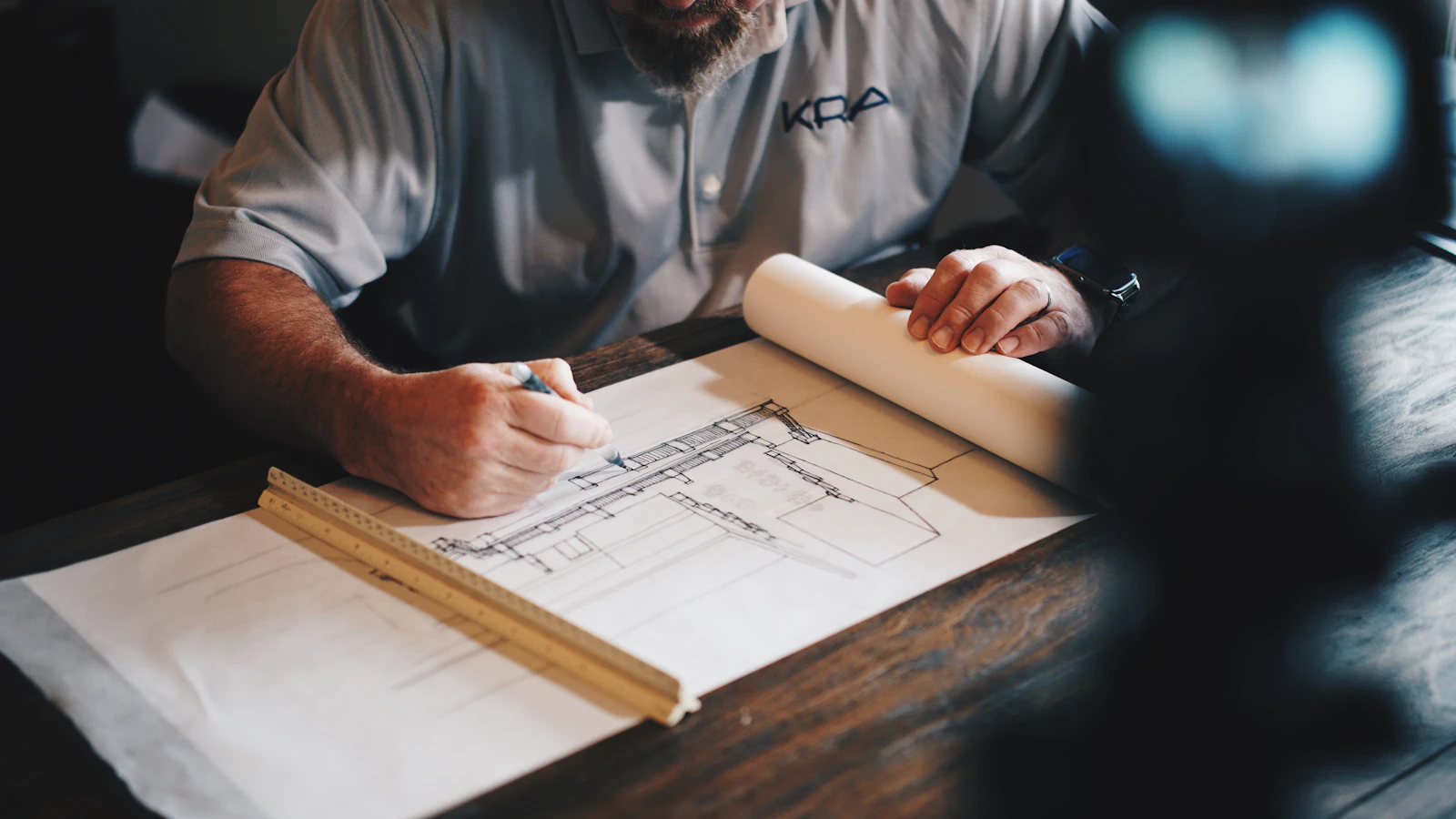
The estimate cycle is the most expensive unwritten contract in residential trades. A contractor drives to the job site, takes measurements and photos, drives back to the office, spends two to four hours pricing materials and labor, formats a proposal, and sends it — often two to three days after the customer's initial call. By the time the estimate lands, the customer has already chosen a competitor who responded the same day.
AI-assisted estimating compresses that cycle. Residential HVAC, electrical, and plumbing contractors are shipping same-day proposals with historical-rate accuracy by combining on-site capture — photos, measurements, notes — with models trained on their own prior jobs. In live deployments, estimate generation drops from four hours to under forty-five minutes, and proposal turnaround from three days to the same service window.
Estimate turnaround vs. close rate — 120 trades firms observed.
Illustrative · observed trades SMBsHow AI-Powered Estimating Works — The basic workflow looks like this: capture job details (photos, measurements, notes — often using a phone app right on the job site), AI analyzes the inputs and generates a material list, quantities, and pricing based on your historical data and current supplier costs, the system assembles a professional, branded proposal document, and you review, adjust if needed, and send it to the customer — often the same day.
What Makes This Different From a Template — Templates are static. An AI estimating system learns from your actual job history — your labor rates, your preferred materials, your typical markups, and even adjustments for job complexity. Over time, the estimates get more accurate because the system is learning from every job you complete. Think of it like having a junior estimator who has perfect memory and never gets tired.
Typical Results — In a representative 6-truck HVAC operation, teams were spending an average of 4 hours per estimate, with the lead tech or owner personally doing the takeoffs and pricing. After implementing an AI-assisted estimating tool: estimate generation time dropped from 4 hours to 45 minutes. Proposal turnaround went from 2-3 days to same-day. Close rate increased by 22% (faster proposals = less time for customers to shop around). The owner reclaimed 15+ hours per week that was going to estimating.
Customer funnel — inquiries through close, with and without same-day estimates.
Illustrative · 6-truck HVAC operationFor Electrical Contractors — We helped a residential electrical contractor build an AI-powered system that takes job-site photos of electrical panels and rooms, identifies the scope of work needed, generates a material list with current supplier pricing, and produces a customer-ready proposal with line items and total cost. The contractor went from spending 3 hours per estimate to 30 minutes, including review time.
Getting Started Without Breaking the Bank — You don't need a $50,000 custom system. Here's how to start: Step 1: Digitize your last 50-100 estimates. Even photos of handwritten estimates work. This becomes your training data. Step 2: Start with a tool like Jobber, ServiceTitan, or CompanyCam that has built-in estimating features. These aren't AI-powered yet, but they get your data digital. Step 3: Layer on AI analysis — this is where we come in. We connect your historical estimate data with AI tools that can generate first-draft estimates automatically. The investment typically pays for itself within 2-3 months through time savings and higher close rates.
Monthly hours recovered for the lead estimator, by task.
Illustrative · 6-truck HVAC operationThe trades industry is one of the biggest untapped opportunities for practical AI. The businesses that adopt these tools early will be able to respond faster, win more jobs, and operate with smaller office teams.
- AI estimating tools learn from your actual job history for better accuracy
- Typical time savings: 80% reduction in estimate generation time
- Faster proposals lead to higher close rates (20-25% improvement typical)
- Start by digitizing your last 50-100 estimates as training data
- The investment typically pays for itself in 2-3 months
Book a diagnostic and we'll discuss how these ideas apply to your workflow.
Book diagnostic